Project fit
Make the framing decision with the right project facts.
Open live pilot guideNexGen Steel has the ingredients for a modern demand-generation system: a distinctive steel-framing story, a public video library, an emerging audience network, and a plan-to-panel workflow. This proposal brings those pieces together under one governed marketing and AI-agent layer.
The first success milestone is not more pages. It is a clean, source-grounded journey from a real builder question to a qualified, human-reviewed project conversation.
 Prepared byManifestic / Business Hub OS
Builders, framing contractors, developers, and referral partners are already asking the questions. NexGen can meet them on those exact questions, give each audience a focused page with one clear next step, and keep every answer consistent through one approved knowledge base.
"See the project before committing to the framing approach."
A distinctive cold-formed steel narrative, from coil to keys, that reframes how the world builds.
Public facility and process videos available as source references. Editing or derivative use still requires rights review.
Builders, framing crews, developers, and trades partners already circling the opportunity.
Plans and modeling in, labeled kits out. Confirm the current deliverables and responsibilities before using this company-source workflow description.
One audience, one question, one measurable outcome. Everything else in this proposal exists to serve this first campaign.
Home builders and framing crews deciding on a framing approach before they commit.
Is this project a fit for a cold-formed steel framing conversation, before the team locks in?
Prepare project facts for a human discussion. Comparison scope, pricing and response timing remain unconfirmed.
Qualified project conversations. Not traffic, not page count, not impressions.
Three working parts, one governed layer. Nothing autonomous, nothing unverified: the system starts with knowledge and draft assistance, and adds CRM actions only after identity, permissions, consent, routing, and claims are approved.
One focused path per audience. Each page has one audience, one problem, one evidence set, and one call to action.
The connective tissue across pages, content, and the opportunity workflow. Answers from the approved knowledge pack only.
One approved source produces a coordinated set, and every derivative keeps its source, claim status, reviewer, and CTA.
Three NexGen YouTube source videos and two AI-generated concept images already used on the proposal. The images are illustrations, not verified project photographs. Video titles and statements are company claims, not independently verified outcomes.
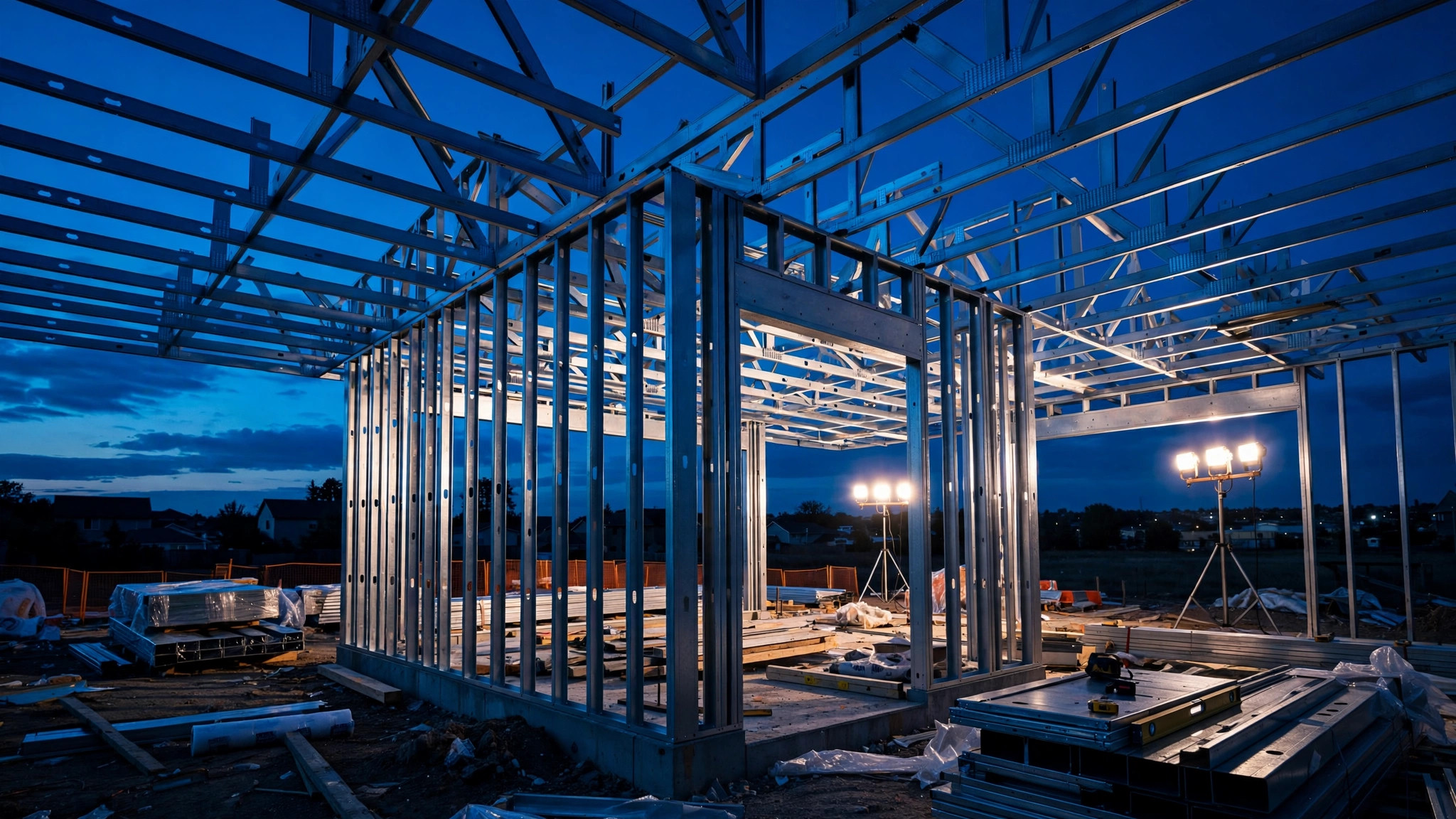

Open the existing NexGen websites below.
Make the framing decision with the right project facts.
Open live pilot guidePrepare your next build for a framing review.
Open live pilot guideResolve framing scope before it reaches the field.
Open live pilot guideKnow the package, the sequence and the handoffs.
Open live pilot guideBring a useful project conversation to the right people.
Open live pilot guidePrepare the risk questions alongside the build plan.
Open live pilot guideAsk where the package comes from—and what that means.
Open live pilot guideThe currently published proposal website.
Open live siteThe existing hosted microsite. Its project is named preview; this link does not establish approval of all content or parity with the new page drafts.
Open live siteApproved sources in, qualified conversations out. Every layer has an owner, a freshness date, and an escalation rule.
The controlled source of truth. Stores the source, claim status, reviewer, and freshness date. Private factory economics stay separated from the builder knowledge namespace.
One approved domain hosts focused audience paths. Pages pass source and audience context into a shared intake instead of building disconnected funnels.
Answers approved questions, flags uncertainty, collects minimum project context, drafts summaries, and requests human review at every technical or commercial boundary.
Review-first opportunity workspace. Human review and technical-call routing come before any automation touches a real record.
Tracks the full path: source to page to agent conversation to qualified submission to technical call to plan review to outcome.
A human reviews every inquiry before it moves. The pipeline below is staged and reversible until the correct tenant, location, consent language, and routing owner are verified.
Role, project type, location, size, stage, framing scope, and plan availability, plus source page and consent timestamp.
Engineering, code, pricing, territory, warranty, and investment questions go to a NexGen human with full context attached.
Qualified submissions, technical calls booked, plan reviews completed, comparisons delivered, and disqualification reasons.
Each stage unlocks the next. Nothing public, nothing automated, and no live lead handling until the approvals in that stage are signed.
Confirm the owner and authorized relationship. Approve brand, media, territory, ideal projects, CTA wording, the claims ledger, routing, privacy, and consent.
Finalize the builder page and three audience paths. Connect the approved knowledge pack. Test knowledge-only answers and draft summaries with synthetic conversations.
Verify the workspace tenant, create the approved pipeline, test attribution and consent with synthetic records, add human review and technical-call routing.
Publish only after written approval. Release the first source-grounded content batch. Measure qualified conversations for 30 days, then decide: refine, continue, or expand.
Only after the first campaign works: comparison resource page, case studies, regional test pages, partner briefings, facility walkthroughs.
The October 5 checkpoint raises branded search and Google Business visibility as discovery priorities. Earlier ranking and crawlability statements need fresh evidence before they are presented as current findings.
Review branded results, crawl/index signals, canonical URLs, Search Console access and the correct business entity. Record the date, query, location and evidence. No ranking diagnosis is established by this updated inventory.
Use discovery questions to prioritize useful articles and guides. Require approved claims, original evidence and clear technical boundaries before publication.
Structure readable answers around consistent entity facts, clear attribution and approved source material. Treat search features and AI citations as outcomes to measure, without promising placement.
Confirm the correct profile, business information, serviceability and authorized owner before suggesting edits. Profile updates, reviews, directory changes and publication are separate actions.
Website links only. Source files and working documents belong in the internal handoff.
The currently published proposal website.
Open live siteThe existing hosted microsite. Its project is named preview; this link does not establish approval of all content or parity with the new page drafts.
Open live siteSix audience-specific drafts in NexGen branding: builders, developers, framing crews, partners, insurance, USA supply. Built 2026-10-06; no forms, no data collection.
Open live siteThe October 5 checkpoint holds proposal circulation until the planned discovery call and branding/content review. Use the asset register to show what already exists, then confirm the owner's goals, constraints and customer/job-generation priorities.
Latest local release review: website decisions 0/7, media rights 0/10, approved claims 0/34. Historical structural test passes do not establish tenant launch readiness.
Complete discovery, reconcile the decisions and define one measurable pilot. Keep fundraising, technical promises and live lead handling outside that first decision.
Explore the live sitesThis proposal summarizes the current pilot scope. It does not activate forms, AI, CRM, advertising, publication or outreach. No approval email is sent.